
Interior design is a profession that blends artistry with practicality. It’s not just about having an eye for stylish spaces—it’s about creating functional, safe, and inspiring environments while managing projects, clients, and business operations effectively. To thrive in this competitive industry, interior designers must master both essential skills for interior designers and strong business fundamentals.
This comprehensive guide explores the key abilities every professional needs to build a successful interior design career.
Creativity and Innovation
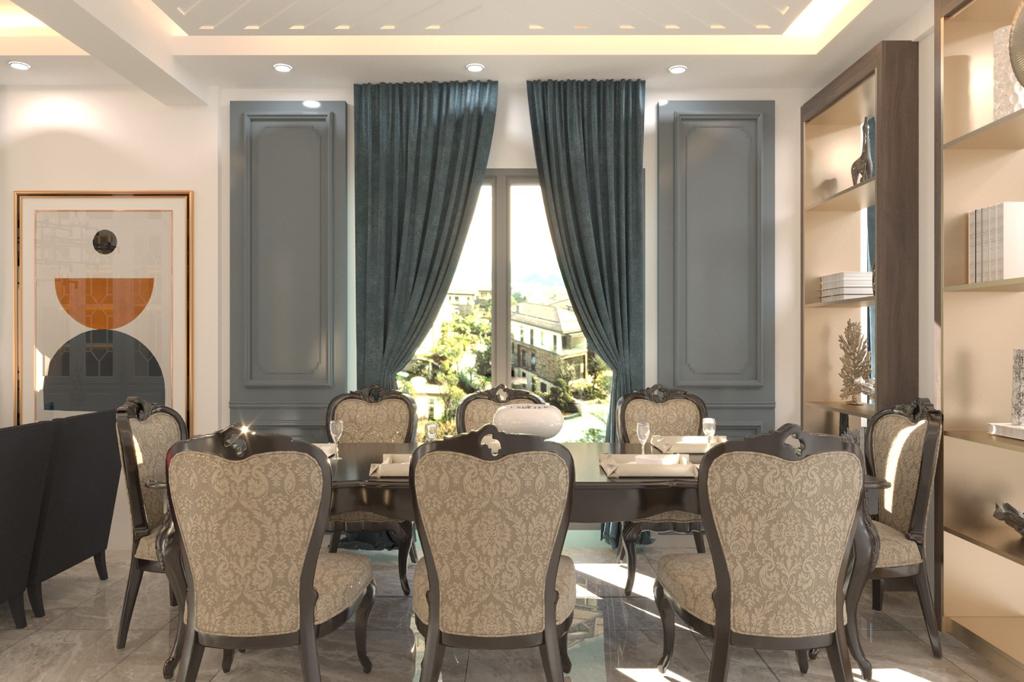
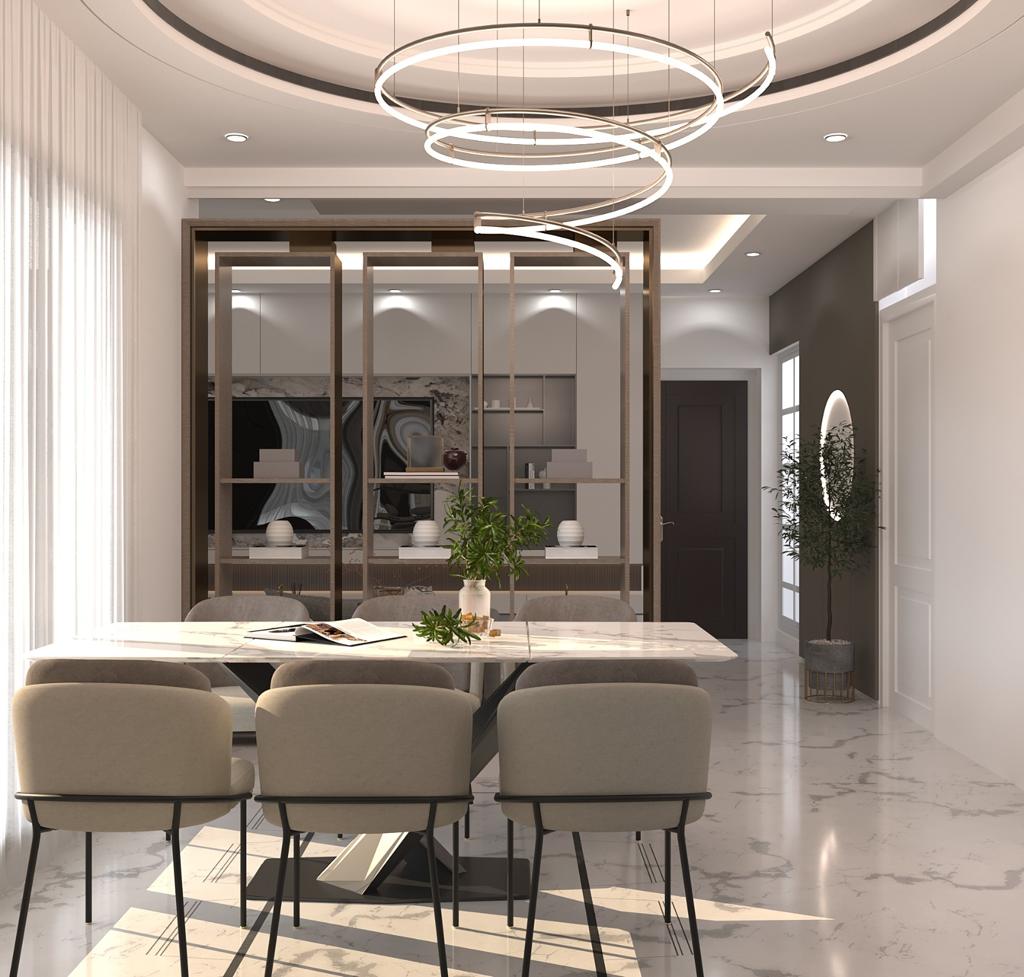
Creativity is the foundation of interior design. Designers must visualize unique concepts, develop innovative solutions, and communicate those ideas clearly to clients. It’s about seeing the potential in a space and finding ways to maximize it—whether solving storage challenges in a small apartment or making an open floor plan feel cohesive. Creativity is one of the essential skills for interior designers and a cornerstone of creative design skills.
Precision and Detail Orientation
Interior design requires a sharp eye for detail. Choosing the right shade of paint (for example, #006CFF is a specific blue) or selecting furniture that complements the overall theme demands precision. Hardware finishes, outlet placement, and traffic flow all contribute to a harmonious design. Attention to detail is another of the essential skills for interior designers that elevates every project.
Communication and Collaboration
Clear communication is vital when working with clients, contractors, and stakeholders. Designers must listen actively, ask the right questions, and articulate their vision effectively. Strong interpersonal skills ensure that projects align with client expectations and run smoothly.
As Pia Watson, Interior Designer and Director of Studio Soleil, wisely notes: “You could know everything about design elements and principles, but knowing how to work with people is essential for a successful career.”
Managing Time Effectively
Interior design projects often run on strict deadlines. Designers must set priorities, stay organized, and manage multiple projects simultaneously. Efficient scheduling ensures tasks are completed on time without compromising quality. Time management is a critical business skill for interior designers and part of building a reliable interior design career.
Understanding Design Principles
A solid grasp of balance, proportion, harmony, color theory, composition, and spatial planning is fundamental. These principles guide decisions and help create spaces that are both functional and visually appealing. Knowledge of design principles is one of the essential skills for interior designers and a key part of creative design skills.
Technical Proficiency
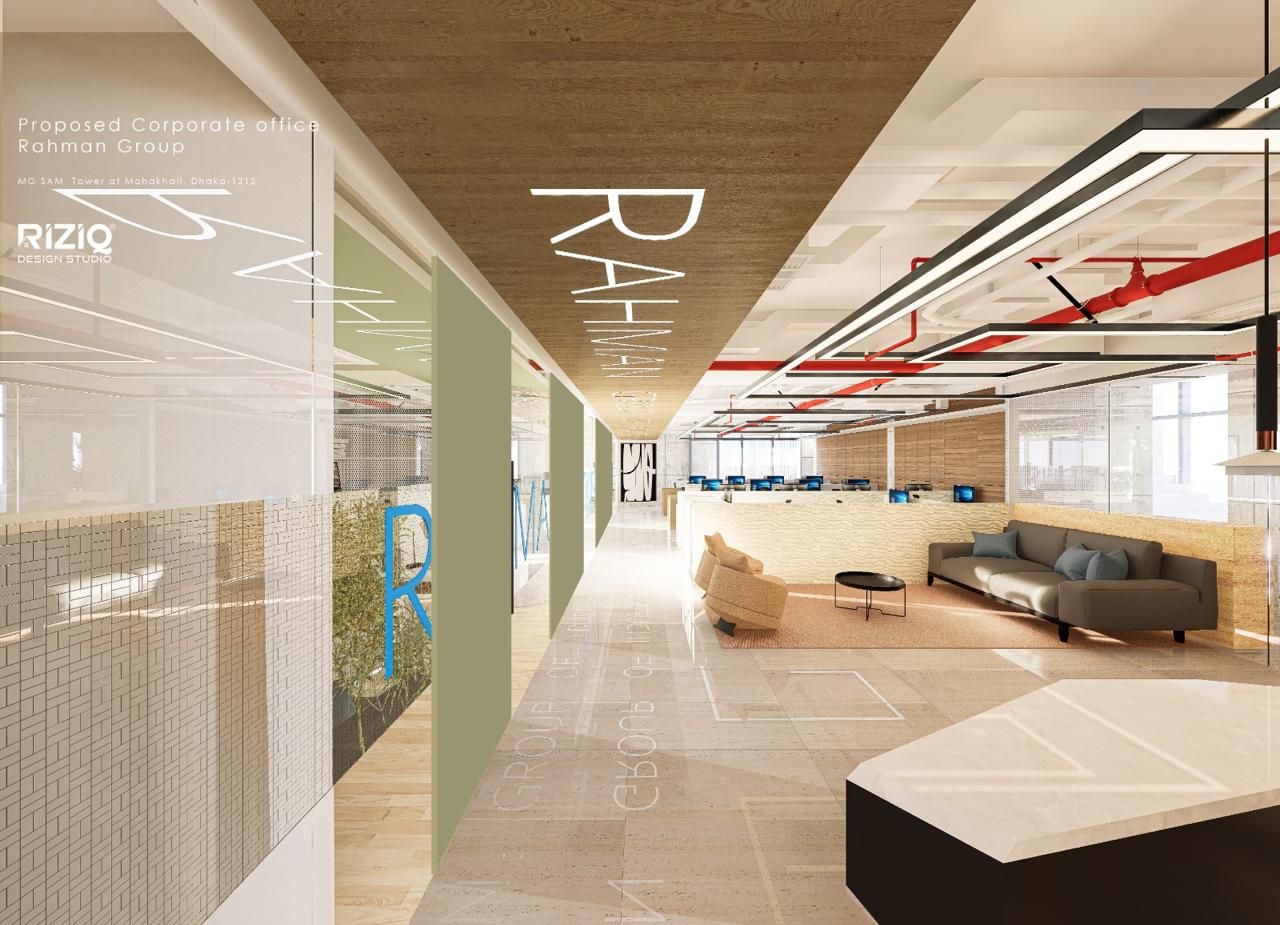
Interior designers must be skilled in CAD software and able to interpret blueprints and construction documents. Technical expertise allows them to produce accurate plans that contractors and builders can execute seamlessly. This technical knowledge is among the essential skills for interior designers that ensures projects are executed flawlessly.
Compliance and Safety Awareness
Building codes and safety regulations knowledge is essential. This includes electrical, plumbing, and structural requirements, as well as accessibility standards. Compliance ensures designs are not only beautiful but also safe and functional. Safety awareness is a vital business skill for interior designers.
Project Oversight
Strong project management ensures smooth execution. It involves planning, budgeting, scheduling, and coordinating with clients, contractors, and suppliers. Effective oversight guarantees projects are delivered on time, within budget, and to client satisfaction. Mastering project management in interior design is one of the most essential skills for interior designers.
Financial Literacy
Running a profitable design practice requires financial acumen. Designers must understand budgeting, pricing strategies, invoicing, bookkeeping, and tax regulations. Financial literacy helps maintain business health and supports growth. This is a core business skill for interior designers.
Branding and Visibility
Branding is one of the essential skills for interior designers who want a thriving interior design career. Building a strong brand and showcasing a professional portfolio are crucial for attracting clients. Leveraging digital marketing—SEO, social media, content marketing, and email campaigns—expands reach. Networking also strengthens industry connections.
Client Relationship Building
Relationship management is a vital business skill for every sector. Strong client relationships are the foundation of repeat business and referrals. Active listening, empathy, and clear communication help manage expectations and foster trust. Providing consistent updates and handling feedback gracefully ensures loyalty.
Negotiation and Contracts
Negotiation skills help secure fair terms with clients, contractors, and suppliers. Solid contract management protects interests by clarifying scope, timelines, and payment terms, reducing disputes and ensuring smooth collaboration. This is one of the essential skills for interior designers that supports long-term success.
Problem-Solving and Decision-Making
Unexpected challenges are common in design projects. Adaptability, resourcefulness, and creative thinking under pressure allow designers to find practical solutions and keep projects on track. Problem-solving is part of creative design skills and one of the essential skills for interior designers.
Leadership and Team Guidance
Leadership is vital business skill for running a design firm or managing project teams. Effective leaders inspire collaboration, delegate tasks appropriately, and foster a positive work environment. Strong leadership ensures cohesive teamwork and successful outcomes.
Legal Awareness
Legal awareness is one of the essential skills for interior designers. A basic understanding of legal issues protects designers and their businesses. This includes building codes, safety regulations, intellectual property rights, and contract law. Operating within legal boundaries reduces liability and builds confidence.
Adaptability to Trends
The design industry evolves constantly with new materials, technologies, and client preferences. In this sector adaptability is a hallmark of creative design skills and an indispensable essential skill for interior designers. Successful designers stay updated, embrace innovation, and adapt quickly to change.
Passion for the Craft
Passion fuels creativity and growth. A genuine love for design inspires continuous learning and improvement. Passionate designers bring energy and dedication to every project, ensuring their work resonates with clients. Having passion for design is a driving force behind a successful interior design career.
Conclusion
To excel as an interior designer, you need more than creativity—you must balance artistic vision with technical expertise, business skills, and adaptability. Mastering design principles, communication, project management, financial acumen, and client relationships ensures you can deliver exceptional designs while running a profitable practice.
With adaptability, leadership, and passion for design, interior designers can thrive in a constantly evolving industry and build a career that is both fulfilling and sustainable. Developing these essential skills for interior designers is the key to building a strong interior design career that combines creative design skills with business skills for interior designers and effective project management in interior design.
FAQs
They are space, line, form, light, color, texture, and pattern.
It means 70% of a room follows one dominant style, while 30% adds contrast for balance.
Key soft skills include communication, teamwork, adaptability, problem-solving, time management, and organization.
Common tools are CAD, SketchUp, and Revit.