
Creating a beautiful home isn’t just about picking stylish furniture or trendy colors; it’s about following timeless interior design principles that bring balance, flow, and character to your interiors. The seven principles of interior design — balance, unity, rhythm, scale and proportion, contrast, emphasis, and details that serve as the foundation for achieving spaces that feel both functional and aesthetically pleasing.
In this guide, we’ll explore each interior design principle in detail and show you how to apply them to design your ideal home.
Let’s take a look at the seven essential interior design principles:
- Balance – creating stability through symmetrical, asymmetrical, or radial arrangements
- Unity – tying elements together for a cohesive look across rooms
- Rhythm – using repetition and patterns to guide the eye
- Scale and Proportion – ensuring furniture and decor fit the space harmoniously
- Contrast – adding drama by pairing opposites like light vs. dark or smooth vs. textured
- Emphasis – establishing a focal point that draws attention
- Details – refining the small touches that elevate your design
1. Balance in Interior Design
Balance is essential in both life and design. In interiors, balance refers to the distribution of visual weight to create stability. There are three main types:
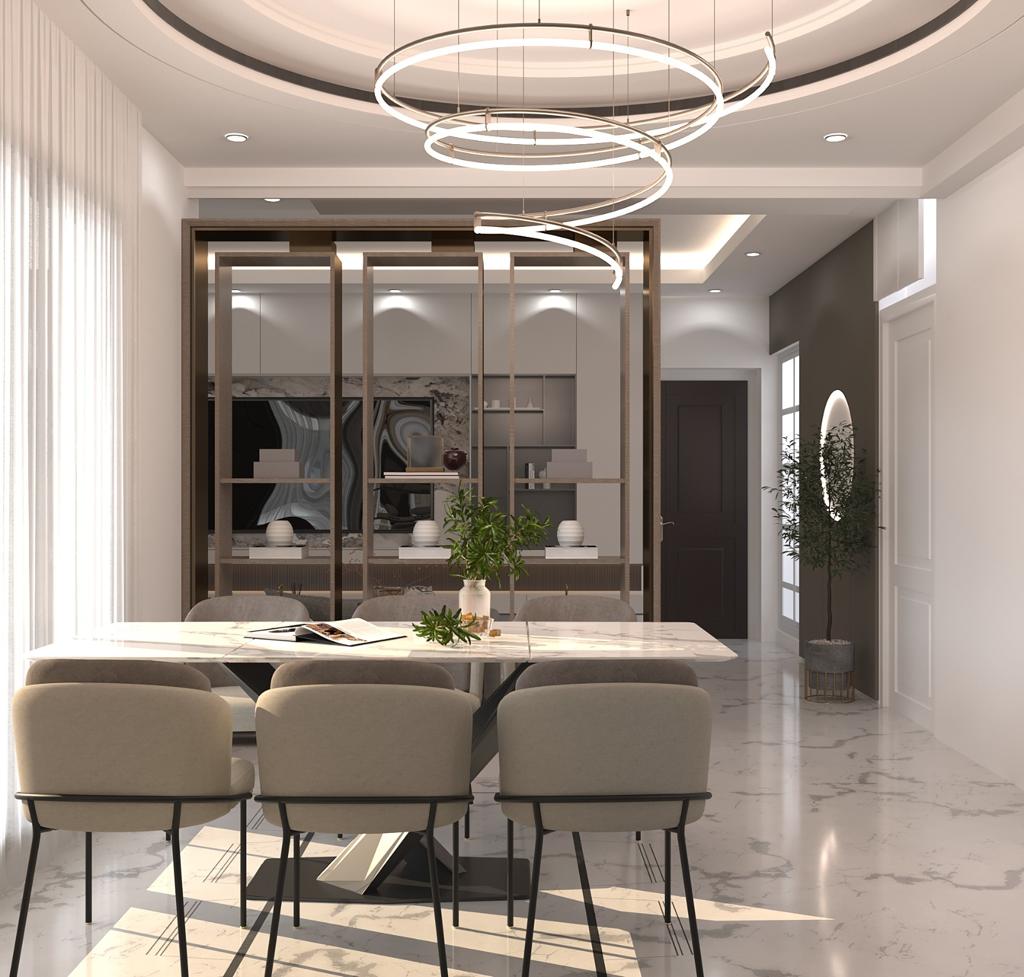
- Symmetrical Balance (Formal Balance): The classic mirror effect, where one side reflects the other. Think of a dining table with chairs evenly placed or a bedroom with identical lamps on each side of the bed.
- Asymmetrical Balance: A modern, flexible approach. Instead of identical pieces, you use items of similar size or shape to achieve equilibrium. For example, pairing a sofa with two single chairs instead of another sofa.
- Radial Balance: This involves arranging elements around a central focal point, such as a fireplace, with furniture radiating outward to create harmony.
2. Unity: Creating Cohesion Across Spaces
Unity ties all elements of your interior design together, ensuring your space feels cohesive rather than fragmented. You can achieve unity through consistent material choices, furniture styles, or color palettes.
For example, using a subtle color flow across rooms creates a sense of connection. A color wheel can help you select complementary shades that unify your home’s overall theme while allowing each room to maintain its unique identity.
3. Rhythm: Repetition That Guides the Eye
Just like music, rhythm in interior design creates flow and movement. It’s achieved through repetition of patterns, colors, or materials.
- Use consistent finishes, such as brushed brass or matte black, across kitchens and bathrooms.
- Repeat cabinetry styles or countertops in multiple rooms.
- Incorporate similar wood tones in furniture are featured across the living and bedroom spaces.
Rhythm keeps the eye engaged and makes your interiors feel thoughtfully connected.
4. Scale and Proportion: Fitting Elements to the Space
Scale and proportion ensure that furniture and decor fit harmoniously within a room.
- Scale: Large rooms with high ceilings benefit from taller, bulkier furniture, while smaller spaces require lighter, compact pieces to avoid overwhelming the room.
- Proportion: This focuses on how items relate to each other. For instance, echoing a bold color from artwork in cushions or rugs creates pleasing repetition and balance.
5. Contrast: Adding Drama and Interest
Contrast is one of the most powerful interior design principles, introducing intrigue and personality. It thrives on opposites:
- Light vs. dark
- Smooth vs. textured
- Large vs. small
For example, pairing a bold accent color with its opposite on the color wheel instantly energizes a space. Contrast prevents interiors from feeling flat and adds depth to your design.
6. Emphasis: Establishing a Focal Point
Every room needs a focal point — something that immediately draws attention. This is the principle of emphasis.
Examples include:
- A striking piece of art
- A bold accent wall
- A dramatic fireplace
- A colorful backsplash in the kitchen
Emphasis ensures your space has character and prevents it from feeling monotonous.
7. Details: The Finishing Touches
Details may seem small, but they make a huge impact. From cushion embroidery to cabinet handles, tapware, and door knobs, these finishing touches elevate your interior design.
Scan your space carefully for opportunities to refine details. Coordinating accessories and hardware can tie the entire room together, creating a polished and cohesive look.
Final Thoughts
The seven principles of interior design — balance, unity, rhythm, scale and proportion, contrast, emphasis, and details — are timeless guidelines that help you create interiors that are both functional and beautiful. By applying these interior design principles thoughtfully, you can transform any space into a harmonious environment that reflects your personality and style.
Whether you’re designing a single room or an entire home, keeping these principles in mind ensures your interiors will always feel balanced, cohesive, and captivating.
FAQs
The seven principles are balance, unity, rhythm, scale and proportion, contrast, emphasis, and details. Together, they create harmonious and functional spaces.
Balance ensures stability and comfort in a room by evenly distributing visual weight, whether through symmetry, asymmetry, or radial arrangements.
You can achieve unity by using consistent colors, materials, and styles across different rooms, creating a cohesive flow throughout your home.
Scale refers to the size of objects in relation to the room, while proportion focuses on how those objects relate to each other for visual harmony.
Contrast adds drama and interest by pairing opposites, such as light and dark colors, smooth and textured surfaces, or large and small elements.
Details like hardware, fabrics, and accessories refine the overall look, adding personality and polish to your interior design style.