
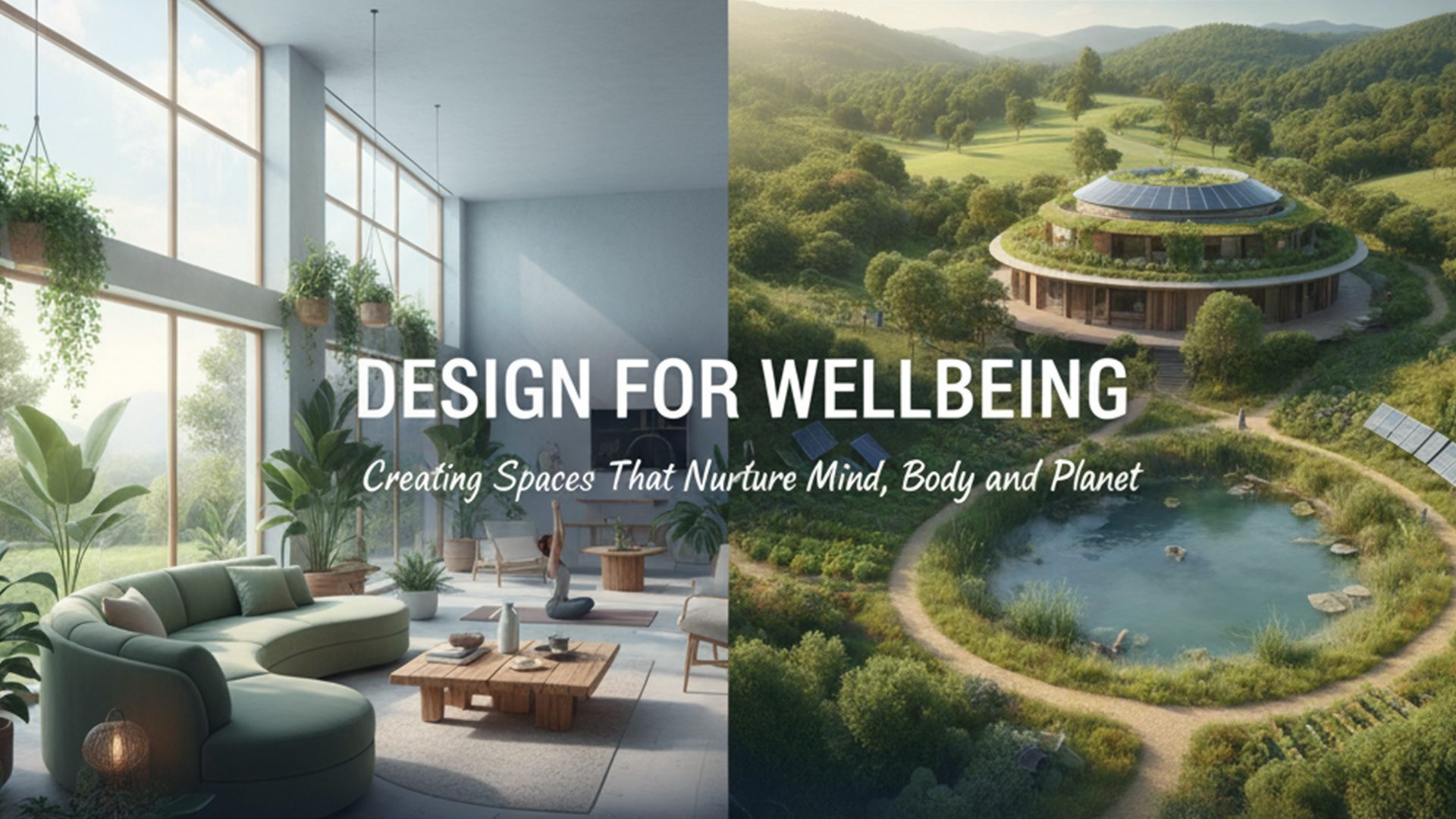
Design for wellbeing is more than a design trend—it’s a transformative philosophy that empowers individuals to live healthier, happier lives through the spaces they inhabit. At its heart, it’s about crafting environments that promote comfort, support mental health and physical health, and enable people to make choices that enhance their personal wellbeing.
What Does Design for Wellbeing Actually Mean?
Design for wellbeing focuses on creating spaces that foster a sense of true comfort—comfort that empowers individuals to choose their own path to wellness. It recognizes that wellbeing isn’t something that can be handed to someone; it’s a deeply personal experience shaped by the environments we inhabit.
When we embrace design for wellbeing, we aim to create interiors that are not only visually appealing but also physically, mentally, and emotionally supportive. These spaces are intentionally crafted to encourage relaxation, creativity, and joy—ultimately giving people the tools to thrive in their everyday lives.
How Can We Design for Wellbeing?
The foundation of design for wellbeing lies in understanding the people who will use the space. This is where user profiles become essential. These profiles are built around the specific tasks and activities individuals engage in, guiding the interior design process from the initial briefing to the final layout.
By placing the user at the center of the design for wellbeing approach, we ensure that the space supports their unique needs and preferences. This user-centric method is key to creating environments that truly enhance wellbeing.
Interior Design and Mental Health: A Powerful Connection
The spaces we live in are more than just walls and furniture—they shape our emotions and mental health. Research shows that natural light reduces stress, clutter increases anxiety, and balanced interior design improves mood and focus. Even small changes in home decor can have a profound impact on mental health.
Mindful Design Choices That Instill Peace
- Use soft, neutral colors like whites, beiges, and muted blues or greens to calm the mind.
- Choose warm, dimmable lighting that mimics natural daylight to reduce eye strain.
- Prioritize organization and storage to eliminate clutter and create a sense of order.
Spaces That Spark Creativity and Motivation
- Dedicate areas for creative pursuits—home offices, reading nooks, or crafting corners.
- Incorporate natural light, ergonomic furniture, and personal touches like artwork.
- Position desks near windows and plan layouts that encourage movement and focus.
Comfort Spaces That Promote Wellbeing
- Use soft textures like plush rugs, oversized cushions, and warm throws for sensory comfort.
- Choose earthy tones like terracotta, olive green, and muted browns to evoke stability.
- Invest in quality furniture that supports relaxation and physical comfort.
Bringing Nature Indoors
- Add houseplants to purify the air and uplift your mood.
- Use natural materials like wood, stone, and woven fabrics for organic warmth.
- Design spaces that connect with the outdoors—terraces, garden views, or window seats.
Embracing Minimalism for Mental Clarity
- Focus on balance and simplicity to reduce visual stress.
- Keep only what brings joy and serves a purpose.
- Create open, functional spaces that promote calm and intentional living.
Designing for Health and Wellbeing: A Sustainable Design Imperative
With people spending up to 90% of their lives indoors, the built environment has a profound impact on both mental health and physical health. Design for wellbeing is also a key pillar of sustainable design, which aims to create spaces that support human health, comfort, and quality of life.
Key Strategies Include:
- Indoor Air Quality: Use proper ventilation, low-VOC materials, and air purifiers.
- Daylighting and Views: Maximize natural light and outdoor views.
- Acoustics: Incorporate sound-absorbing materials and thoughtful layouts.
- Biophilic Design: Add plants, water features, and natural textures.
- Comfort and Ergonomics: Ensure temperature control and ergonomic furniture.
- Active Design: Encourage movement with stairs, bike storage, and outdoor spaces.
- Mental Health Support: Include spaces for social interaction, privacy, and quiet reflection.
Adopting a Regenerative Mindset
Sustainable design is a crucial step toward a better future, but it’s only part of the equation. To truly make a positive impact, designers must adopt a regenerative mindset—one that goes beyond minimizing harm to actively restoring and improving the environment.
“We’re not going far enough fast enough. Twenty years ago, sustainability was about ‘doing less bad’… The challenge is now: How can we be regenerative? How do we make a positive difference with a development or whatever we create?”
— David Ritter, Director at Atelier Ten
Regenerative Design Principles:
- Restorative Design: Create spaces that reduce environmental impact and regenerate natural systems—think green roofs, living walls, and habitat restoration.
- Holistic Thinking: Consider the full lifecycle of a project, from material sourcing to disposal. Design for adaptability and longevity to reduce waste.
- Community Engagement: Involve local communities in the design process to ensure spaces reflect their needs and values, fostering ownership and environmental stewardship.
- Continuous Learning: Stay updated on the latest sustainable design and regenerative innovations. Embrace experimentation and new technologies.
Designing for a better future requires more than just good intentions—it demands a commitment to sustainable design and a willingness to think differently. Interior design professionals have the power to shape not only beautiful and functional spaces but also environments that are environmentally responsible and regenerative.
A Path to a Connected & Better Future
In a world that often feels fast-paced and disconnected, design for wellbeing offers a powerful way to reconnect—with ourselves, with nature, and with our communities. It’s not just about aesthetics or trends; it’s about creating spaces that truly support how we live, feel, and grow.
By integrating principles of sustainable design, embracing biophilic design, and prioritizing mental health and comfort, we can shape interiors that do more than look good—they feel good, too. And when we adopt a regenerative mindset, we go beyond healing ourselves—we begin to heal the planet.
Whether you’re a designer, a homeowner, or simply someone seeking more harmony in your environment, remember: every design choice is an opportunity to nurture wellbeing. Start with intention, stay curious, and let your space become a reflection of the life you want to lead.
Because when we design with care, we don’t just build rooms—we build resilience, joy, and a better future for all.